“Shelf Life”
with Emma Verhulst
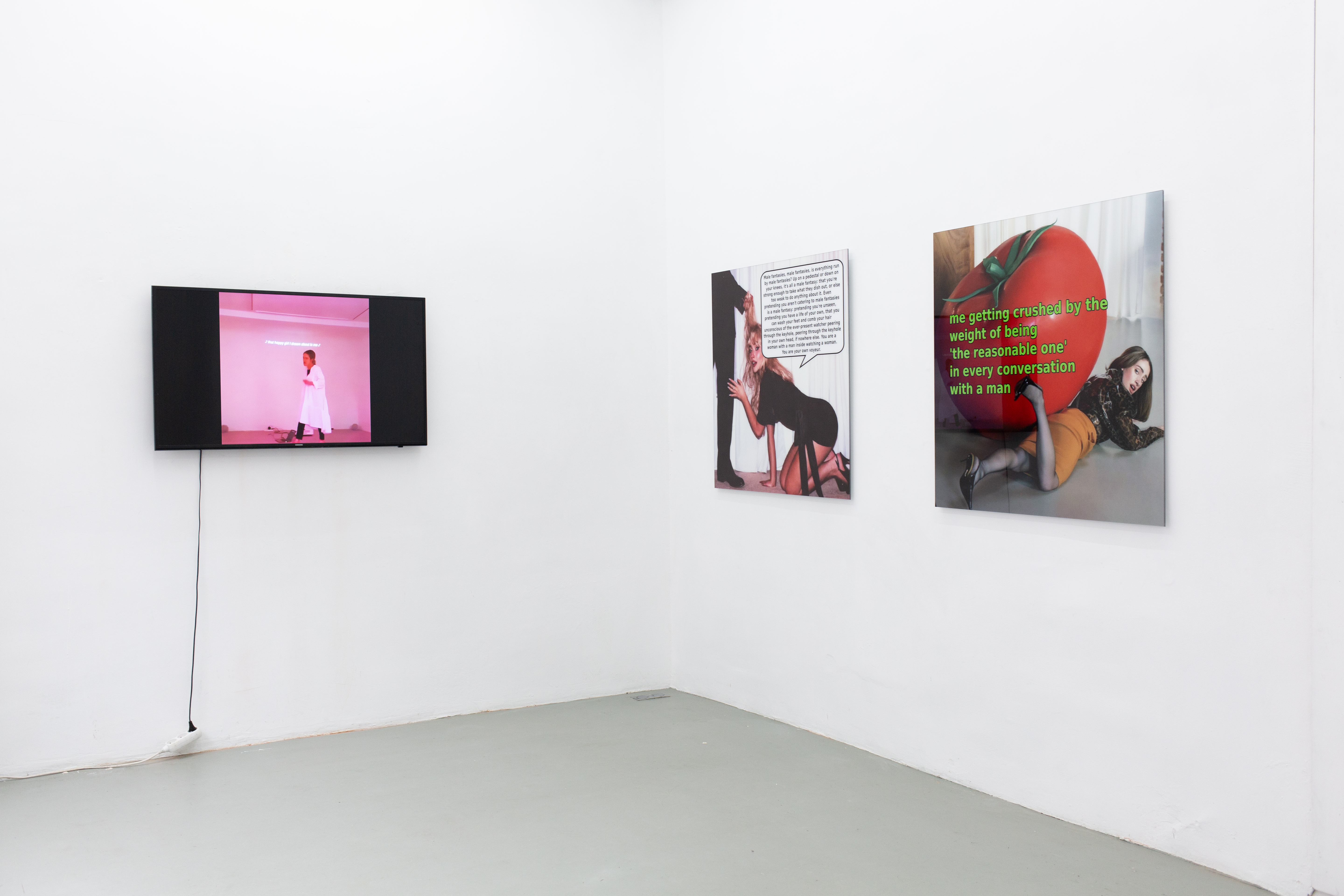
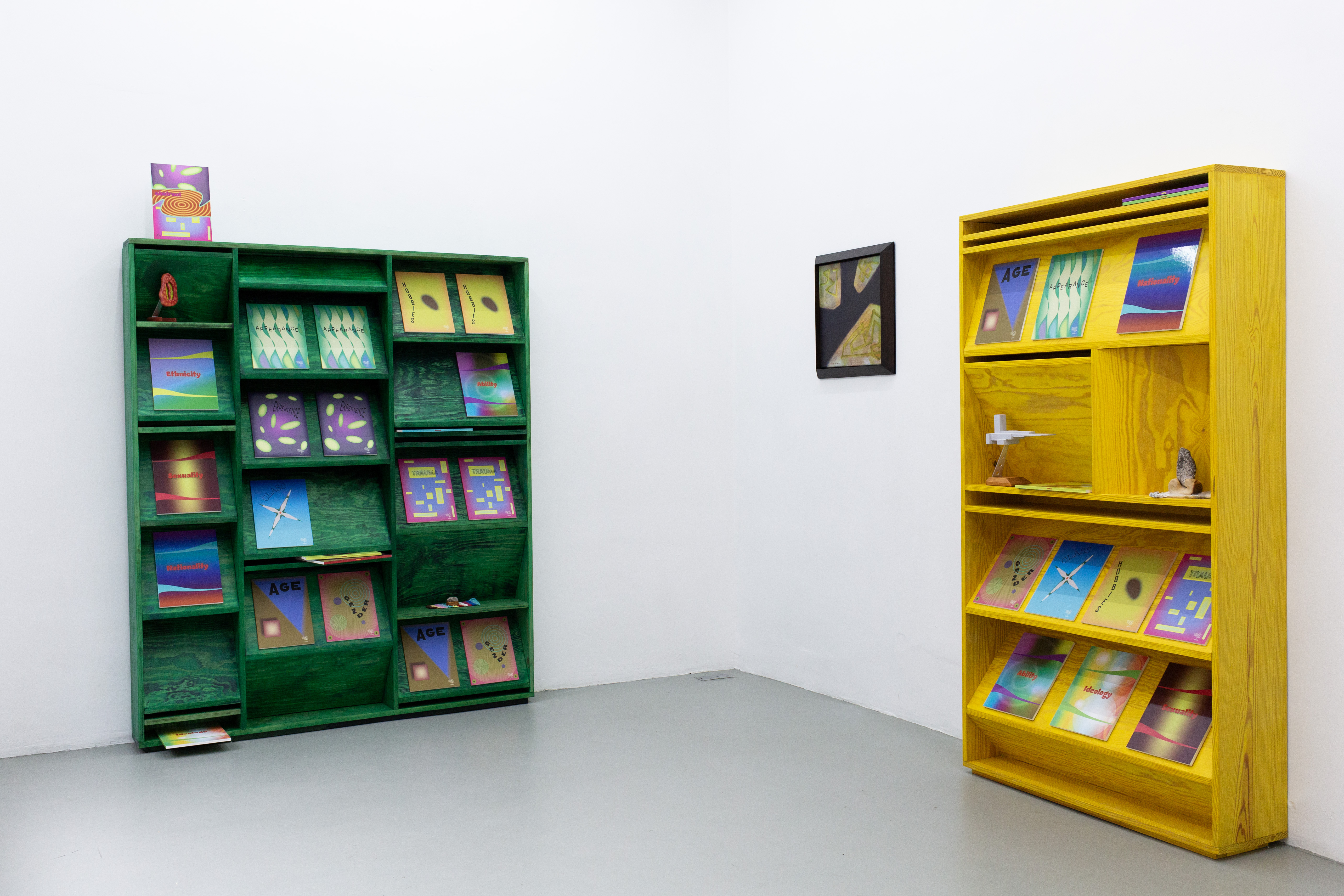
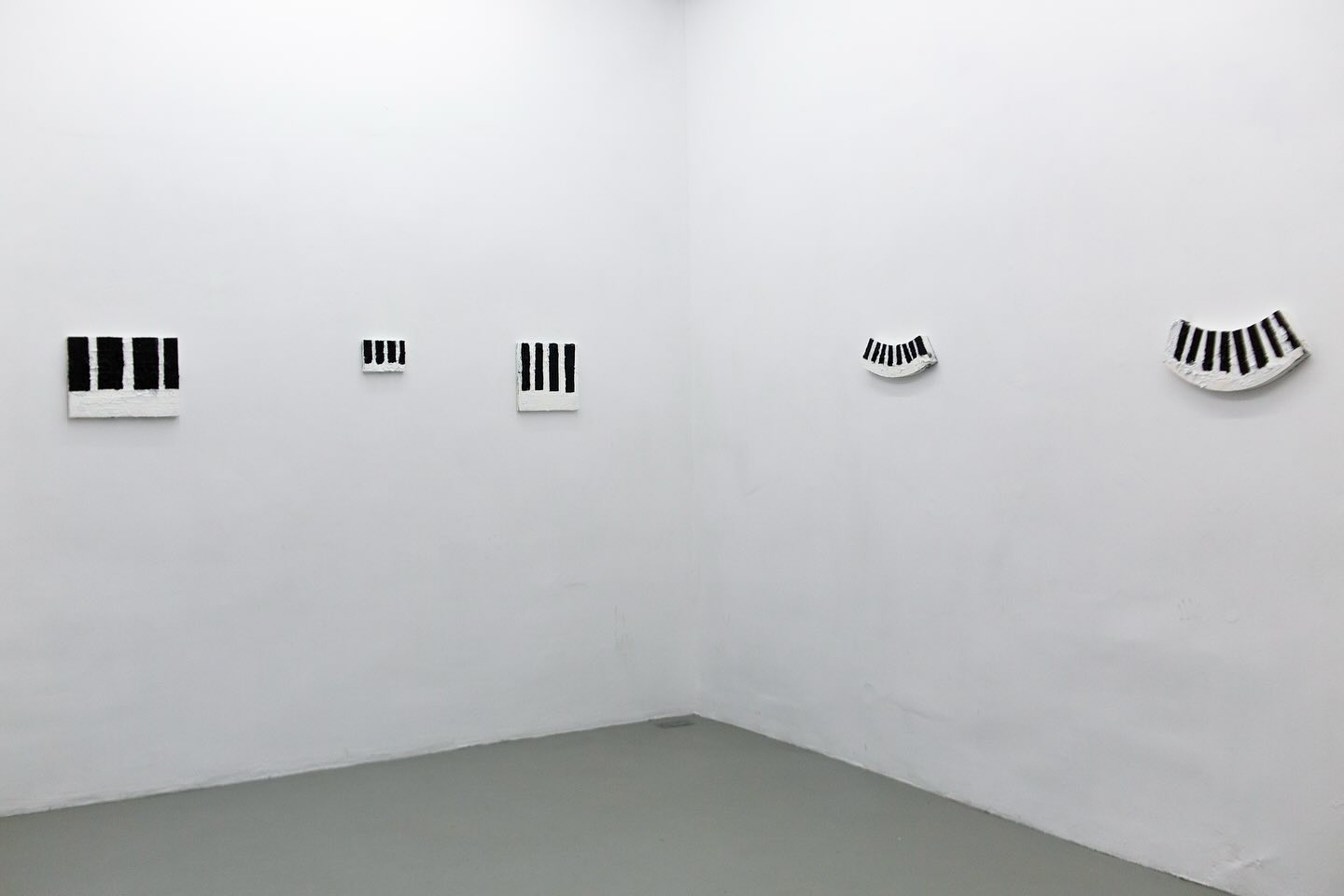
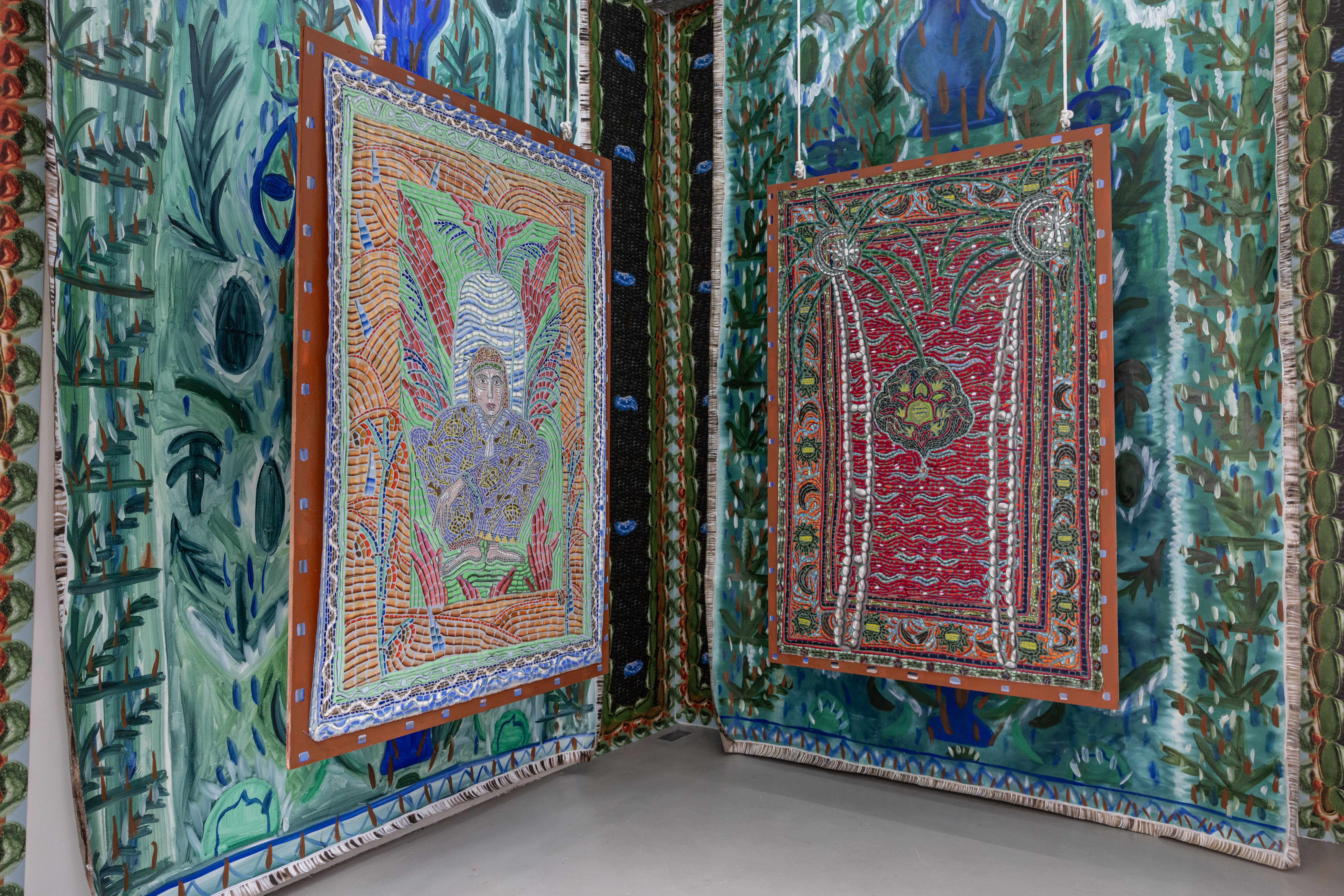
Pizza Gallery presents ‘Shelf Life’, the second solo presentation by Emma Verhulst at their Antwerp location. Shelf Life refers to the length of time that a commodity may be stored before it degrades, an expiration date but also refers to a domestic life, the architecture of the home.
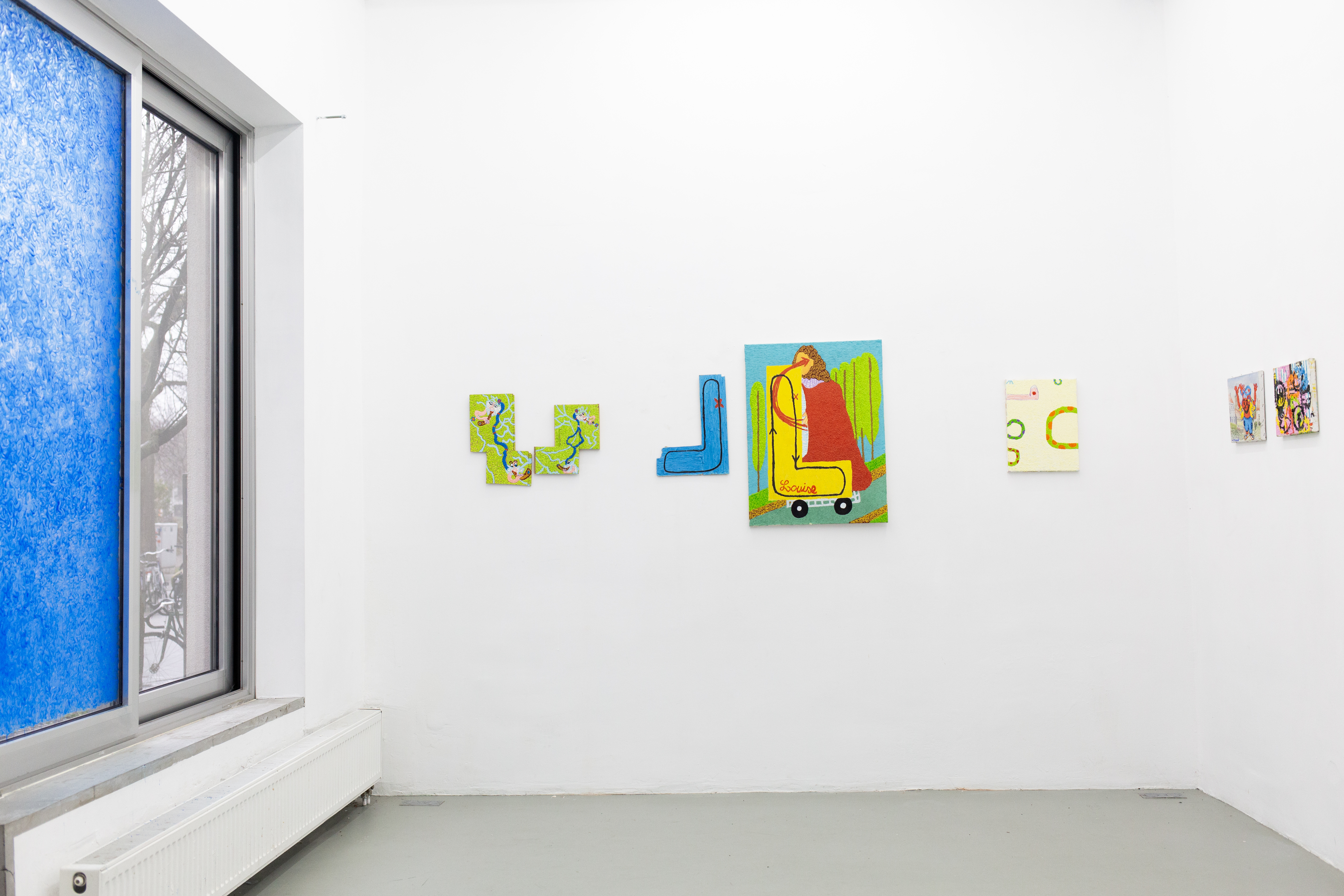
Emma Verhulst (b. 1994, Belgium) draws for her work on observations, photographs, and found footage. An initial drawing forms the basis for an intuitive, associative, and accumulative process. A narrative, graphic thread underlies the paintings. Emma's work is characterized by a visual language that evokes a familiar and estranged universe. The complex sensations of alienation, awkwardness and detachment are essential aspects. The work ultimately expresses an inability, the inevitable lack of absolute grammar and perfect agreement.
“To write out this exhibition, I want to imagine a girl - a subject deduced from possible relations to the objects she surrounds herself with. Her desires and yearnings, her anxieties and fears, all formally embedded, all clues to gather. A fictional assemblage of fragmentary realness, she emerges in a temporal slippage, in a space of her own creation, tied together with the threads of connection and isolation. She thinks through literature and narrative fiction, with pictorial gestures unfolding from her hands as abstract storytelling, fragments of moods and temporalities. She love-hates language, the shapes and aesthetic aspects of the written word, how it triggers a different perception, emerging from the abstract, perhaps, just that bit too clearly for the feelings to remain comfortably ambiguous. I stand before her door-shaped paintings as thresholds between physical and mental spaces, locating myself at the centre of her enclosed system of relations.
To depict an object, the girl first captures its likeness. She snaps pictures on her phone: a mattress folded in vacation sun (books have been read on top of it by the swimming pool), parts of bodies suspended in ambivalent relational situations, fruits and flowers wilting, mass-produced plastics, strangely shaped holes, and other oddities and normalcies of significance. She selects objects from collection of pictorial captives, and isolates them on white background, as if removed from the relational world that defines them. Objects are never encountered directly, as autonomous and whole entities. They are constructed through relations to the world outside of them: colour is revealed in the particular way light hits a surface; shape emerges through shifts in perspective, through closeness and distance. Their characteristics do not simply belong to them independently - they emerge in relation to something else (intimacy builds worlds). But in her paintings, objects appear isolated, paired or bound together through composition and order. The use of collage suggests rupture (imposed or self-inflicted). Her world appears fractured, disjointed - as pieces assembled and glued together loosely in time and space, anticipated to fall apart and reorganise in ways that (finally) will feel right (again).
To understand the subject, I have to give her something she wants. She imagines other subjects (it seems so easy for them) as coherent, as having an uncomplicated relationship to the world, to time, to what they desire, to what is expected of them. A sense of envy emerges from this fantasy of what the other has (what the subject has not) - an urge, a wish, a compulsion to somehow steal what they seem to possess, the ease with which they appear to occupy their own life (to take away their enjoyment). And all of a sudden, my gaze is returned - she, a distant observer, and I, a thing being looked at, blunt, formal, controlled, perhaps misread. She turns towards her objects, with me now among them - a door ajar, inviting yet barred. A narrator fixed in fixation of her own fiction.
To stage suspense, I have to make time run out. She captures a stillness of time in the heat of the summer, bordering frustration. A week that repeats itself again and again, movement stalled, surfaces moist and slippery, the body swollen and sweltering. Waiting for some thing. Hesitating to take a leap. Time cyclical and looped, returning to the beginning again and again - each radical fugue, each attempt at departure, merely another way of returning home (a woman walks away from her life again and again in the stories of Clarice Lispector). An ordinary crisis (of object-relations), and an implicit seeker in a time of great questioning. She checks the package of her snack for its use-by date.”
- Anna Laganovska, 2026
︎ artist page Emma Verhulst

Installation views


Works


Related Artists
☞ Emma Verhulst